Rwanda Gorilla Trek Difficulty: An Honest Trail Assessment
The Volcanoes National Park gorilla trek does not have a fixed difficulty level — it changes every day depending on where each habituated family has moved. A family camped near the park boundary means a 30-minute walk on relatively flat farmland edge. The same family two days later may have climbed 400m up Mount Bisoke — now you are looking at 4-5 hours of steep volcanic forest, dense bamboo, and altitude.
RDB classifies gorilla family treks by average difficulty. Here is what that means in practice.
Gorilla Family Difficulty Classifications
Easier Families (1–2 hour average trek)
Some habituated gorilla families in Volcanoes NP are known to stay lower on the volcano more consistently. These families are typically recommended for visitors with mobility concerns or older travellers. The trail through lower-elevation forest involves less steep climbing and shorter distances between the park boundary and the gorillas' typical range.
When booking through Rwanda SafariTours, we communicate any specific difficulty preferences to RDB at the time of permit reservation. While the final assignment is RDB's decision on the day, advance communication about your group's fitness level does influence assignment where flexibility exists.
Moderate Families (2–4 hour average trek)
The majority of Volcanoes NP gorilla families fall into this range. The trail typically crosses open farmland edge before entering dense forest. You gain 200-400m in elevation from the park gate to the gorillas. The forest floor is covered in vegetation, roots, and occasional mud. Bamboo sections can involve ducking and pushing through dense growth.
Challenging Families (4–6 hour average trek)
Some gorilla families range high on Mount Bisoke or Mount Karisimbi — the two highest volcanoes in Volcanoes NP at 3,711m and 4,507m respectively. These treks involve steep climbing at altitude with genuinely tiring ascents. Porters become essential rather than optional here. The terrain is wild, the forest is dense, and the reward — finding gorillas at altitude with mist in the trees — is extraordinary. But you need to be physically prepared.
What the Trail Surface Is Like
The gorilla trek has three distinct surface types:
- Farmland approach (0–30 min): Flat or gentle slope, dirt path or grass. Easy walking. Leads from the park gate to the forest edge.
- Bamboo zone (30–90 min): Dense bamboo forest, often dark, narrow paths. Ground can be slippery on wet bamboo. Moderate difficulty.
- Hagenia-Hypericum forest (90+ min): This is the zone where the difficulty peaks. Tree roots crossing the path, steep volcanic soil, loose rocks. Elevation gain is most significant here. Good boots are critical.
How Guides and Rangers Help
Each gorilla trek is led by two RDB rangers (armed with radio and rifle — not for visitors, for rare situations involving aggressive silverbacks or wild animals) and your Rwanda SafariTours local guide. Rangers use machetes to clear vegetation and can create footholds on steep sections. They also know exactly how to read silverback body language — if a silverback charges (a bluff charge is a normal dominance display), rangers have protocols that prevent panic.
Difficulty by Season
Dry season (June–September, December–January): Trails at their easiest. Less mud, firm footing, clearer paths. Peak season for a reason — not just good weather but genuinely easier trekking.
Rainy season (March–May, October–November): Trails become slippery and muddy. The same trek that took 2 hours in July may take 3 hours in April. Gaiters (covers over boots) are useful. The upside: fewer tourists, greener forest, and gorillas sometimes come lower seeking drier shelter — occasionally resulting in shorter treks during the rainy season than expected.
What Happens During the 1 Hour with Gorillas
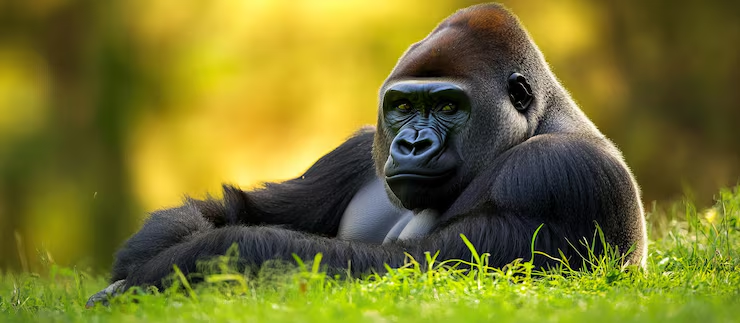
Once you reach the gorilla family, the physical exertion stops. You do not chase the gorillas — they are habituated to human presence and typically move slowly through their feeding and resting activities. Your hour involves standing or crouching quietly at the 7-metre minimum distance, watching silverbacks, females, and infants go about their lives.
A large silverback can weigh 220kg. Baby gorillas are curious and sometimes approach closer than 7 metres — guides handle this by calmly stepping back. The hour goes extremely quickly. People consistently describe it as the most emotionally significant wildlife experience they have had, regardless of trek difficulty.
Porters: Take One
Porters at Kinigi headquarters charge approximately $15-20 and are available to every visitor. They carry your bag and provide a steadying hand on steep sections. Hiring a porter also directly benefits local Rwandan communities around Volcanoes NP. Even fit, experienced hikers benefit from a porter on longer treks — you arrive at the gorillas less exhausted and with more energy to appreciate the experience. Rwanda SafariTours recommends every visitor hire a porter.
Was this guide helpful?
Book Rwanda Gorilla Trekking or Safari?
Expert local guides since 2014. Private 4x4, RDB-certified.
Get a Free Quote WhatsApp Us Gorilla Permit Guide & Prices