Most Rwanda safari content is either a sales pitch or a dry fact sheet. This is neither — it's the honest list of what people actually love once they're there, what genuinely frustrates some travelers, and the specific things worth being careful about before you hand over a deposit.
Quick Facts at a Glance
- Gorilla permit: $1,500/person, fixed by Rwanda Development Board (RDB) — same price everywhere, no discounts exist
- Daily capacity: 96 gorilla trekking slots nationwide (12 habituated families × 8 visitors each)
- Minimum age: 15, strictly enforced
- Time with gorillas: exactly 1 hour once you find them
- Trek length: unpredictable — anywhere from 30 minutes to several hours each way
- Best season: June–September and December–February (driest trails)
- Success rate: around 99% — trackers locate the gorilla families every morning before trekkers arrive
- Gorilla population: recovered from 620 in 2008 to over 1,000 today, funded largely by permit fees
What Travelers Love
How close you actually get. Eight visitors, one gorilla family, one hour — there's no crowd, no fence, and the silverback genuinely does not care that you're there. People consistently say photos didn't prepare them for how close and unguarded the encounter feels.
Kigali itself. Visitors expecting a rough overland African capital are routinely surprised — it's clean, safe to walk around at night, and the traffic is nothing like Nairobi or Lagos. It's a common comment in reviews: "didn't expect to like the city as much as the gorillas."
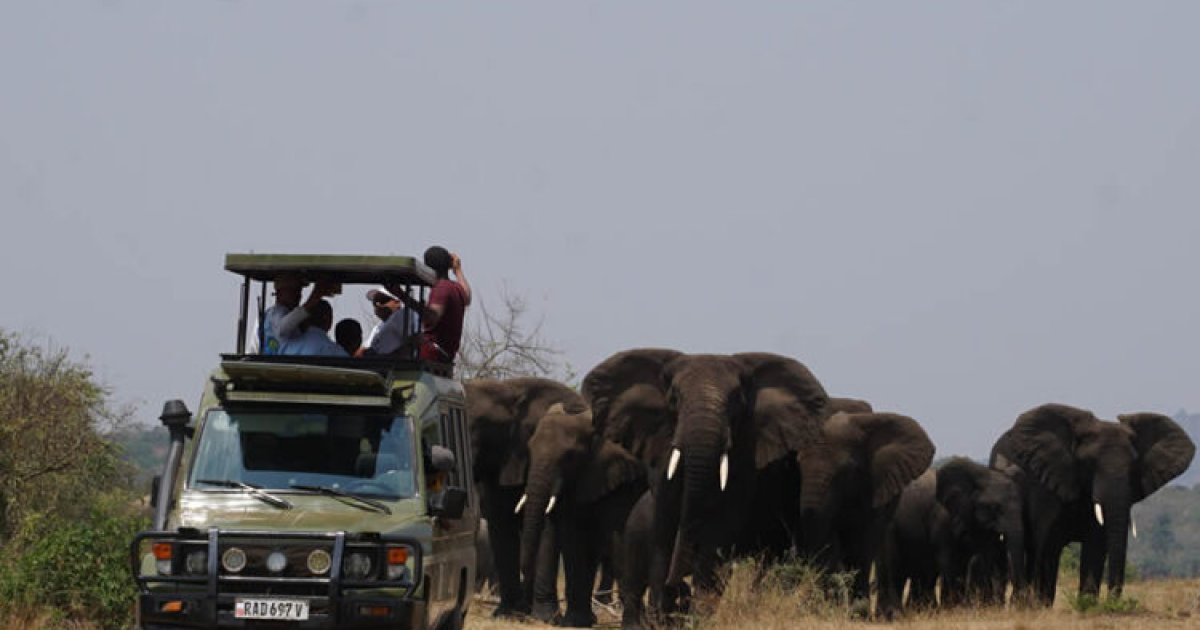
How compact the country is. Volcanoes National Park is 2.5 hours from the airport, Akagera is about the same in the other direction, Lake Kivu is a few hours west. You can genuinely do gorillas, Big Five and a lake in one trip without the long internal flights Tanzania or Kenya often require.
The guides. RDB-certified trackers and rangers are consistently rated as the best part of the day by travelers — patient with slower hikers, good at reading the terrain, and genuinely invested in the conservation story, not just reciting a script.
What Travelers Don't Love
The permit price, understandably. $1,500 for one hour is the single most common complaint, even from people who said the experience was worth it afterward. It's a fixed government fee, not something any operator controls, but it's still the number that makes people hesitate.
Not knowing the trek length in advance. Some groups walk 30 minutes; others walk four hours uphill through mud. You're assigned a gorilla family the morning of, based on where trackers found them — nobody can promise you an easy day.
The accommodation gap. Near Volcanoes National Park specifically, options skew either very basic or very expensive, with less in the comfortable mid-range than many travelers expect going in.
Early mornings, every trekking day. A 4:30-5:30am pickup is standard. It's not optional, and it catches people off guard more than they expect.
Rain, outside peak season. The shoulder months (March-May, October-November) are cheaper and less crowded, but trails get genuinely slippery, and the forest doesn't pause for your schedule.
What to Be Careful Of
Permit scams are real — but know how the real process works first. Every legitimate operator books your permit with RDB only after you pay a deposit; confirmation typically comes back within about 24 hours. That part is completely normal, not a red flag. The actual warning signs are different: an operator who can't clearly explain their RDB certification before you pay, who asks for payment to an untraceable personal account with no invoice, or whose confirmation never arrives at all. If a price is dramatically lower than everyone else's for the same dates, ask exactly why before you pay anything.
Confirm RDB certification before paying a deposit. Ask directly how the operator books permits and ask for their certification. A legitimate operator answers this specifically and immediately — vague answers are a red flag.
Be honest about your fitness level when booking. Gorilla family assignments are partly based on trekkers' stated fitness — understating difficulty you can't handle means a genuinely hard day, not a dealbreaker, but worth being straight about upfront.
No flash photography, no touching, 7-meter minimum distance. These aren't suggestions — rangers enforce them for the gorillas' health (they can catch human illnesses) and your safety. An operator who doesn't brief you on this beforehand hasn't done their job.
Book permits months ahead for peak season. June-September and December-February sell out 3-6 months out. Showing up without a confirmed, verifiable permit booking is the most avoidable mistake on this list.
So, Is It Worth It?
Almost universally, yes — but it's worth going in with accurate expectations rather than marketing-brochure ones. The gorilla hour is genuinely as good as people say. The price is genuinely high. The trek is genuinely unpredictable. Travelers who do their homework on permits and operators beforehand are the ones who come back saying it exceeded expectations; the frustrated reviews almost always trace back to a scam, a vague operator, or a surprise they weren't warned about.
If you want the full day-by-day breakdown, see our complete Rwanda travel guide. If you're ready to check permit availability for your dates, Rwanda Safari Tours can confirm RDB availability and walk you through exact, itemized pricing before you commit anything.
Was this guide helpful?
Book Rwanda Gorilla Trekking or Safari?
Expert local guides since 2014. Private 4x4, RDB-certified.
Get a Free Quote WhatsApp Us Gorilla Permit Guide & Prices