Rwanda sits close to the equator, so temperatures barely change year-round — but rainfall does, a lot, and that's what actually determines what you should pack. Here's the real breakdown by season, with a few honest truths nobody puts in a packing list.
June to September: The Long Dry Season
This is peak gorilla trekking season, and packing is at its simplest: waterproof hiking boots (trails stay muddy even in "dry" season — Rwanda's rainforest doesn't fully dry out, ever), a light rain jacket anyway, layers for cool mornings that heat up fast, and gardening gloves for gripping stinging nettles on the trek. Funny but true: everyone brings sunscreen and nobody remembers it's also genuinely cold at 6am at 2,500m altitude. Bring both.
October and November: The Short Rainy Season
Shorter, sharper downpours than the long rains — pack a proper rain jacket (not just an umbrella; you'll have your hands full with a camera and a walking stick), quick-dry clothing, and a dry bag or ziplock bags for your phone and passport. This season is genuinely underrated for fewer crowds at gorilla trekking.
December to February: The Short Dry Season
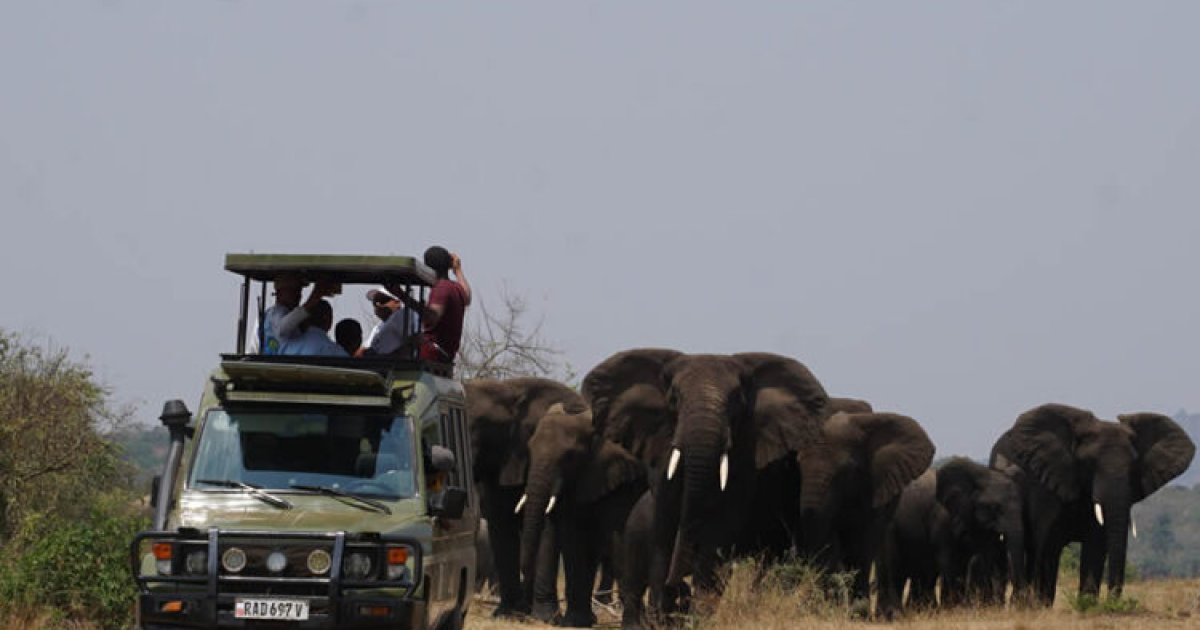
Similar packing to June-September, but slightly hotter in Akagera's savannah — breathable, light-colored clothing matters more here to avoid overheating on game drives. Still bring the rain jacket. It is never truly optional in Rwanda, whatever the calendar says.
March to May: The Long Rainy Season
The heaviest rains, and also genuinely beautiful, lush, green scenery most photos of Rwanda don't show you. Pack real waterproof gear (not "water-resistant" — actually waterproof), a dry bag for electronics, and patience: trails are muddiest now, and gorilla trekking can take longer. Many travelers skip this season; those who don't often say it was worth it.
The Honest Truths Nobody Puts on a Packing List
- Whatever "moisture-wicking" shirt you bought specifically for this trip will be soaked through within 20 minutes of gorilla trekking, in every season, no exceptions.
- You will use your rain jacket even in the "dry" season. Pack it. Don't be the person who didn't.
- Gardening gloves look ridiculous in your suitcase and feel essential the moment you grab a stinging nettle on the trail.
- Everyone overpacks safari khaki and underpacks a second pair of shoes for when the first pair is still wet the next morning.
For the full gear checklist, see our complete Rwanda safari packing list, and for a deeper look at choosing your travel dates, our month-by-month guide to the best time to visit Rwanda covers it in full.
Was this guide helpful?
Book Rwanda Gorilla Trekking or Safari?
Expert local guides since 2014. Private 4x4, RDB-certified.
Get a Free Quote WhatsApp Us Gorilla Permit Guide & Prices